Collection: raw soap
Raw soap bases (glycerin-based soaps), both white and transparent, are used as the primary base for homemade and artisanal soap making using the melt-and-pour method.
The uses of each type vary based on its optical properties and its effect on color:
1. Opaque Soap Base:
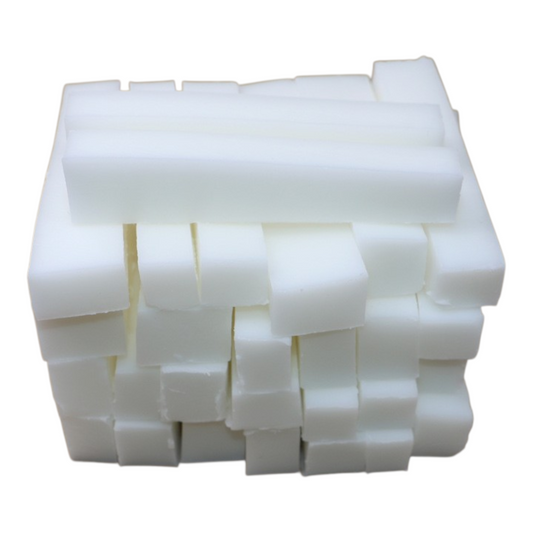
Contains titanium dioxide, which gives it an opaque white color.
Pastel Colors: Ideal for achieving pastel and creamy shades when colorants are added.
Imperfections: Helps conceal bubbles or internal imperfections that may appear during pouring.
Specialized Care: Used as a base for facial and intimate soaps, and is often enriched with moisturizing ingredients such as shea butter or goat's milk.
Layering: Used to create solid white layers that separate colors in multiple soap molds.
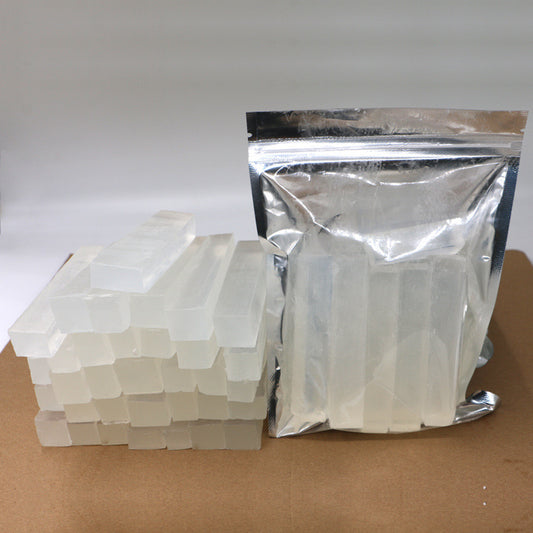
2. Transparent Soap Base: Characterized by a high percentage of glycerin and solvents, allowing light to pass through.
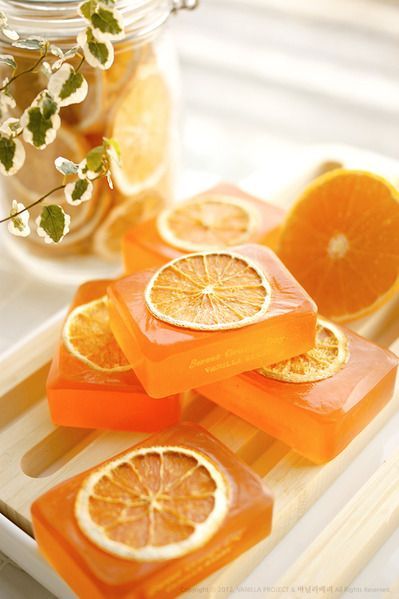
Vibrant Colors: Used to achieve strong, bright, and transparent colors resembling precious stones. Artistic embossments: The best option for placing objects inside the soap (such as dried flowers, small toys, or tiny soap pieces) so they are visible from the outside.
Oil inserts: An excellent base for adding natural essential oils without altering its glassy appearance.
Layered soaps: Ideal for creating gradient or 3D visual effects.